



Few things are more frustrating than stepping into the shower and getting little more than a lazy trickle. I’ve lost count of how many times I’ve been called out to homes in Pershore and Worcester where the first thing the customer says is, “It used to be much stronger than this.” Whether you’re dealing with a new issue or planning a walk in shower installation, understanding what affects shower pressure can save you time, money and a fair bit of stress.
Low shower pressure isn’t usually one single dramatic fault. More often, it’s something simple building up over time, or a system that was never quite matched to the bathroom in the first place. Let’s look at the most common causes and what you can realistically do about them.
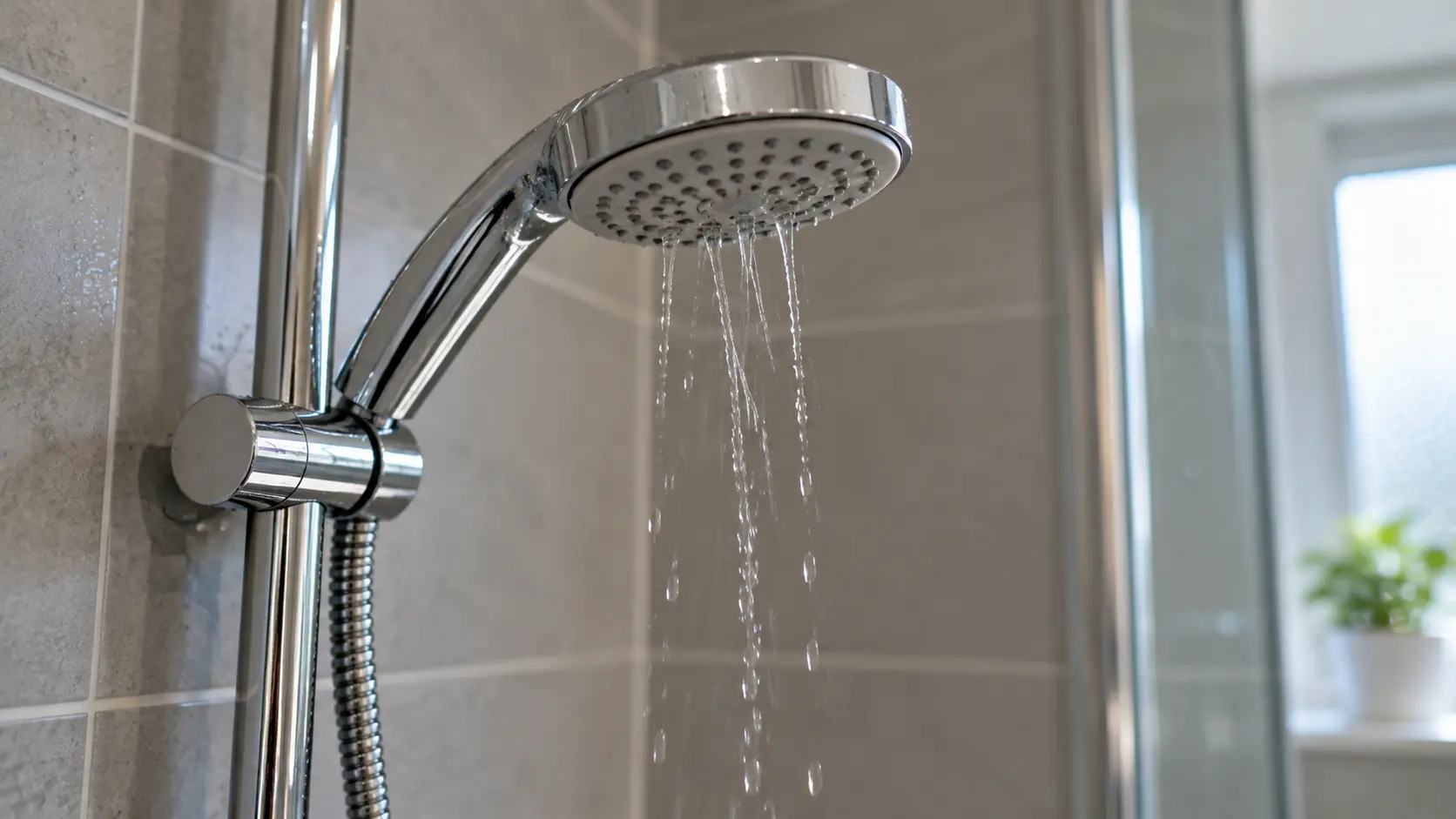
Top Causes of Low Shower Pressure
Blocked shower head
This is by far the most common culprit. In hard water areas around Worcestershire, limescale builds up quickly. I’ve taken shower heads off in perfectly tidy homes and found half the spray nozzles completely clogged.
If the spray pattern looks uneven or water spurts sideways, the head is likely restricted. The same goes for rainfall-style heads which can suffer badly if they’re not cleaned regularly.
Partially closed or faulty valves
Sometimes it’s as simple as an isolation valve that hasn’t been fully reopened after plumbing work. I’ve seen this after radiator replacements or even washing machine installs.
More commonly, thermostatic shower valves can clog internally with debris or scale. When that happens, you’ll often get fluctuating temperatures along with poor pressure.
Leaks in the system
If pressure has suddenly dropped and you can’t see an obvious reason, it’s worth considering a leak. This might not always mean water pouring through your ceiling. Small leaks under floorboards or behind tiled walls can affect performance quietly for months.
Keep an eye out for damp smells, slight staining on ceilings below bathrooms or your boiler topping up more often than usual.
Mains supply or system limitations
Not all homes are supplied equally. Older properties in parts of Pershore can have lower incoming mains pressure, especially during peak times. If someone turns on a kitchen tap and your shower drops to a dribble, that’s a sign your system is struggling.
Gravity-fed systems in older houses can also deliver weaker pressure, particularly if the cold water tank isn’t positioned high enough above the shower head.
Pipework restrictions
During bathroom upgrades I sometimes find older 15mm pipework feeding modern high-output showers. That narrowing can restrict flow before the water even reaches the valve.
If you’ve recently renovated or used new bathroom suppliers in Evesham but kept the original pipework, this can be an overlooked factor.
How to Fix Low Shower Pressure
Start with the simple checks
Before calling anyone out, there are a few straightforward things you can safely try:
- Unscrew and descale the shower head by soaking it in white vinegar for a few hours
- Check any visible isolation valves are fully open
- Make sure the hose is not kinked or twisted
- Run other taps to see if the issue affects the whole house
These quick checks solve a surprising number of call-outs.
Check your incoming mains pressure
If multiple outlets feel weak, you may have low mains pressure. This can be tested properly using a gauge, though many homeowners notice patterns first, such as weaker flow in the evening when neighbours are using more water.
In some cases, a mains booster pump can help, but it must be installed correctly and legally. Not every property is suitable.
Inspect for hidden leaks
If you suspect a leak, it’s best not to ignore it. Turn everything off in the house and check your water meter. If it continues moving, water is escaping somewhere.
At this point, bringing in a professional is sensible. Tracing concealed leaks without causing unnecessary damage takes experience.
Replace a failing shower valve
If your shower alternates between hot and cold or never reaches full flow, the thermostatic cartridge may be worn. Replacing it can restore performance without needing a full refit.
This is a common job in homes across Worcester where bathrooms were fitted ten to fifteen years ago and are now starting to show their age.
When to Upgrade Your Shower System or Plumbing
Sometimes low pressure is less about a fault and more about an outdated setup. If you’re planning a renovation or looking at options in local bathroom showrooms such as the bathroom showroom, it’s worth thinking about performance as well as appearance.
Modern showers, particularly large drench heads, need adequate flow and pressure. Simply swapping the head without upgrading pipework or considering a pump often leads to disappointment.
If mobility is a concern and you’re exploring safer bathing options like those covered on our mobility bathrooms page, pressure and ease of use become even more important. A well-designed system should feel reliable every day, not temperamental.
In some properties, upgrading to an unvented cylinder or improving pipe sizing makes a dramatic difference. In others, a correctly selected shower matched to the existing boiler is all that’s needed. It depends entirely on the house.
I always tell customers that a good shower should wake you up in the morning and relax you at night. If it’s doing neither, something isn’t right.
If you’re unsure what’s causing your low shower pressure or you’re considering an upgrade, getting proper advice makes all the difference. At Enviroplumb we’ve worked in homes across Pershore, Worcester and surrounding villages, sorting everything from simple blockages to full bathroom refits.
Shower still not up to scratch? Get in touch and we’ll come out, find out what’s holding it back and tell you the best way to fix it.