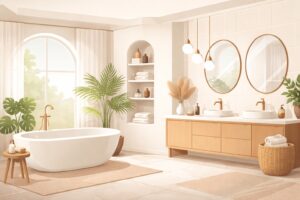
If you’re planning a new bathroom design, chances are you’ve come across the word “minimalist” more than once. It’s a style that’s become really popular with homeowners across Worcester and the surrounding areas and for good reason. A minimalist bathroom isn’t about being stark or boring. It’s about creating a calm, clutter-free space that’s easy to use and easy to keep clean.
We often get asked by customers whether minimal means ripping everything out and starting from scratch. It doesn’t have to. With the right layout, clever storage and a few considered choices, you can transform even a compact family bathroom into a space that feels open and relaxing.
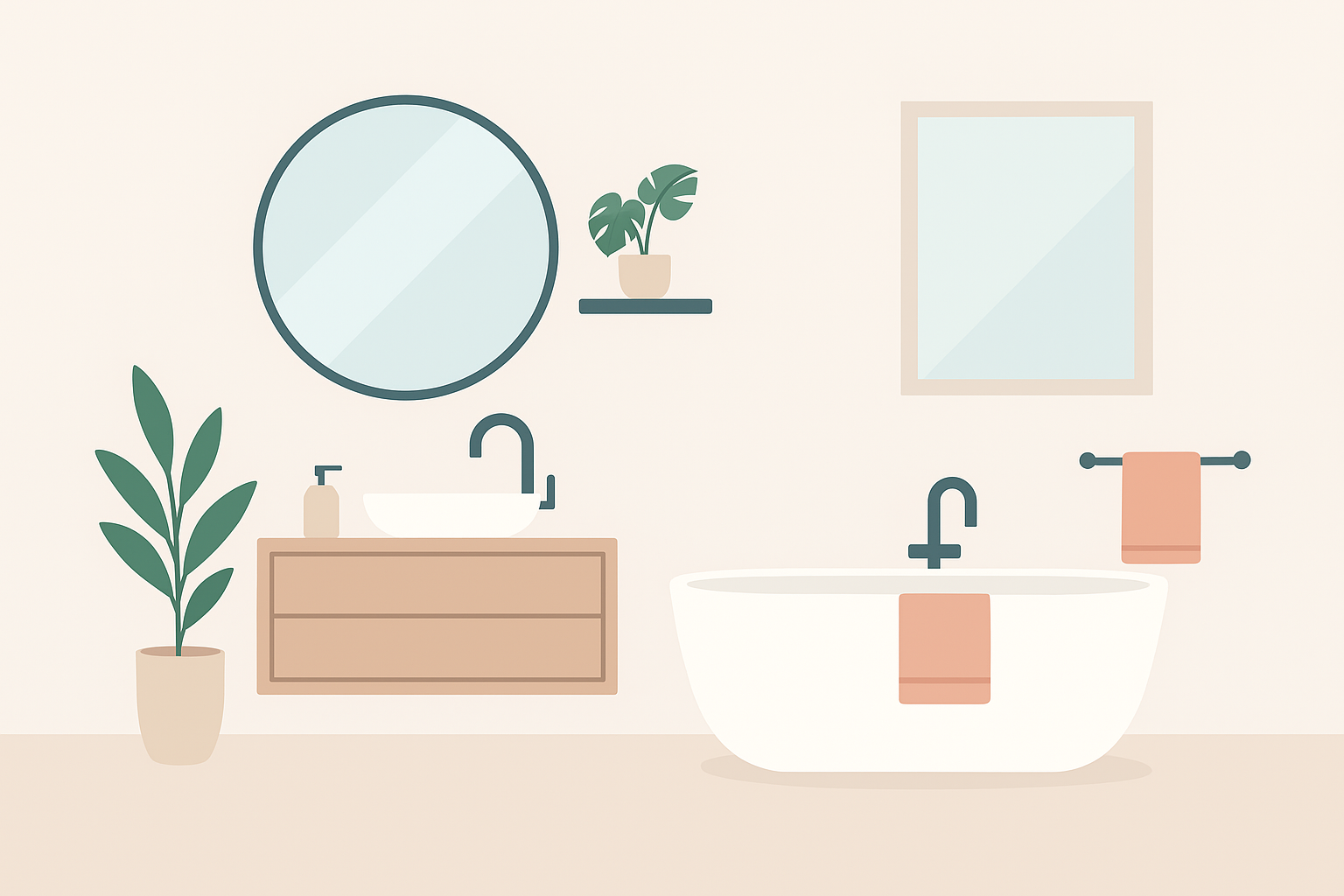
Introduction to minimalist bathroom design and its benefits
At its core, minimalist design is about keeping what you need and letting go of what you don’t. In a bathroom, that means clear surfaces, simple lines and a layout that just works.
The benefits are practical as well as visual. A clutter-free bathroom is easier to clean, quicker to maintain and far less stressful during the morning rush. If you’ve ever tried to find a toothbrush under piles of products before the school run, you’ll know what I mean.
Minimalist spaces also tend to age better. Trends come and go but simple designs with neutral colours and quality fittings look smart for years.
Key elements: colour palettes, materials and layout
Keeping the colour scheme simple
Neutral shades are the backbone of minimalist bathrooms. Think soft whites, warm greys, muted beige or pale stone tones. These colours reflect light and make even smaller Worcester terraces feel more spacious.
That doesn’t mean everything has to be white. You can add depth with contrasting tiles or a darker vanity unit, but stick to two or three main tones to avoid visual clutter.
Choosing calm, durable materials
Large format tiles are a great choice. With fewer grout lines, the walls look cleaner and they’re simpler to maintain. Porcelain is hardwearing and ideal for busy households.
Wall-hung furniture with a matt finish also works well. It gives the impression of more floor space which can make a surprising difference in compact bathrooms around areas like St John’s and Warndon.
Rethinking the layout
Layout is often where minimalist design really pays off. Before choosing any products, think about how you actually use the room. Do you need a bath or would a spacious walk-in shower suit your lifestyle better?
A local bathroom fitter in Worcester will usually look at pipe routes, soil stacks and existing walls before making suggestions. Moving everything is possible but sensible positioning can save disruption and keep the room feeling open.
Smart storage solutions to reduce clutter
Clutter is the enemy of minimalist design. The key is making storage work harder.
- Vanity units with deep drawers rather than cupboards. Drawers make it easier to organise everyday items.
- Recessed niches in showers for bottles instead of wire racks.
- Mirrored cabinets that double up as storage.
- Tall wall units in awkward corners, especially in narrow bathrooms.
We often suggest built-in storage during a full renovation. It might mean adjusting stud walls slightly but the result is a far cleaner finish. If accessibility is part of your plan, take a look at options for mobility bathrooms which can still follow a minimalist look while keeping everything practical.
Choosing fixtures and fittings for a minimalist look
When it comes to fixtures, less really is more. Wall-hung toilets and basins help free up floor space and look far neater than bulky pedestal options.
For taps and shower controls, stick to simple shapes. Brushed brass, matt black and chrome all work well, just avoid mixing too many finishes in one space.
Frameless shower screens are another good call. They keep sightlines clear and stop the room feeling boxed in. In properties around Barbourne, where bathrooms can sometimes be on the compact side, this small change can make a big difference.
If you’re unsure what suits your space, visiting a local bathroom showroom helps you compare finishes and see how different combinations look in real life.
Lighting and finishing touches to enhance simplicity
Lighting is often overlooked but it plays a huge role in creating a calm feel.
Layered lighting works best. Ceiling spotlights for general brightness, task lighting around mirrors for shaving or makeup and perhaps subtle LED strips under a floating vanity for a softer evening glow.
Keep accessories to a minimum. A single plant, neatly folded towels and one or two well-chosen items are enough. Too many decorative pieces can undo all the good work of a streamlined layout.
Common mistakes to avoid in minimalist bathrooms
One of the biggest mistakes is confusing minimalist with clinical. An all-white bathroom with harsh lighting and no texture can feel cold. Add warmth through materials, soft lighting and subtle contrast.
Another issue is not planning enough storage. Minimal design still needs to function for real family life. Skimping on cupboards often leads to clutter creeping back in.
Finally, avoid choosing style over practicality. Ultra-slim basins might look sleek but if they splash every time you wash your hands, you’ll soon regret it.
Conclusion and next steps
A minimalist bathroom is about thoughtful choices rather than stripping everything back for the sake of it. With a calm colour palette, smart layout and well-designed storage, you can create a space that feels bigger, brighter and far easier to live with.
If you’re planning a renovation in Worcester or nearby and want honest advice from people who fit bathrooms day in and day out, the team at Enviroplumb are always happy to help. Get in touch today to arrange your bathroom design consultation and receive a tailored quote