



If you’ve scrubbed black spots off the ceiling more times than you care to remember, you’ll know how frustrating mould can be. It disappears for a few weeks, you think you’ve cracked it, then it creeps back in the same corner. I’ve seen it countless times in homes across Worcestershire, especially after a bathroom refurbishment where the ventilation hasn’t quite been thought through.
The good news is this. Mould isn’t random. If it keeps coming back, there’s always a reason. Once you understand that reason, you can sort it properly rather than constantly wiping it away.
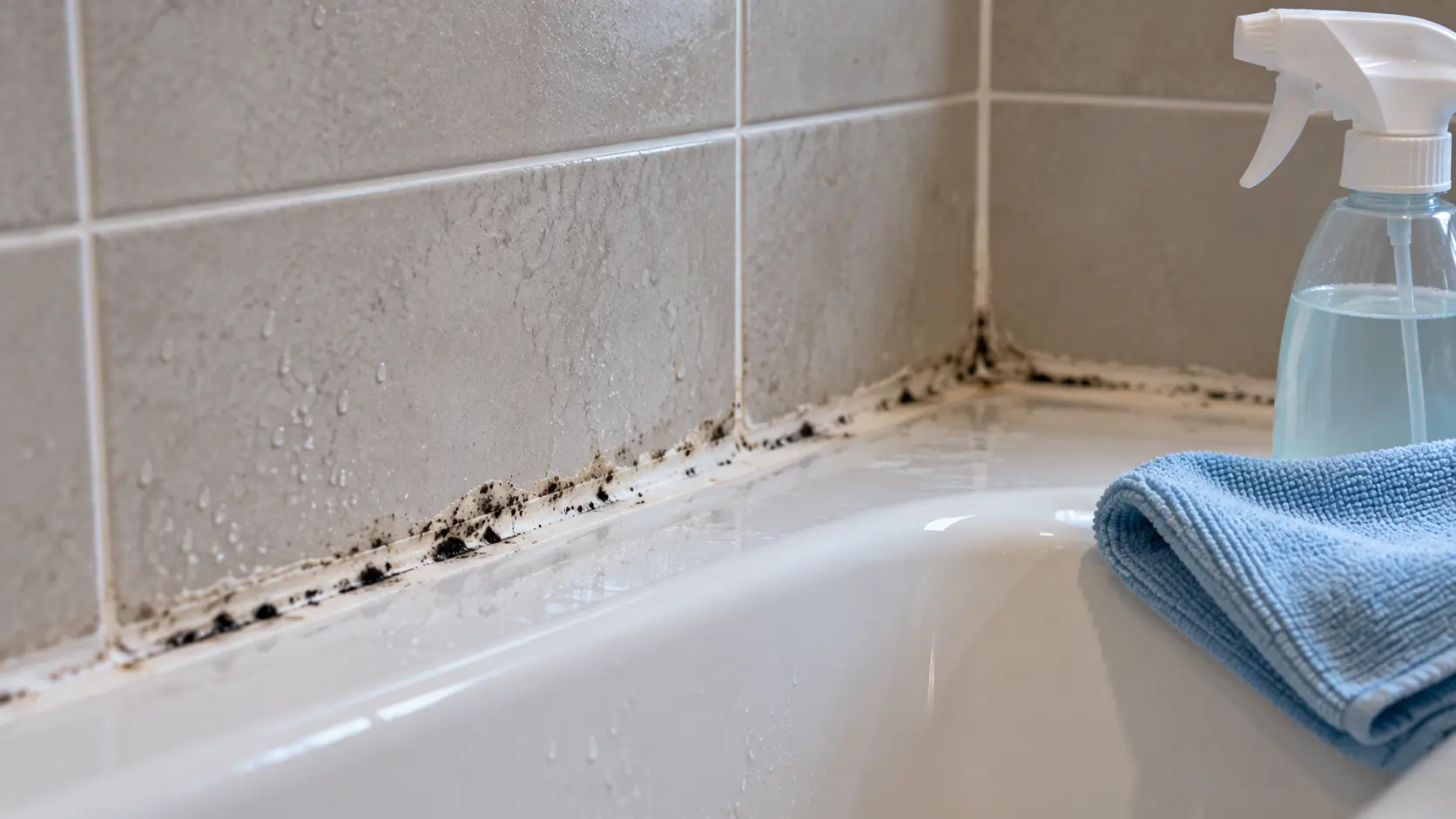
Why Mould Keeps Coming Back in Your Home
Mould needs three things to thrive: moisture, a surface to grow on and still air. Most homes provide all three at some point during the year. The reason it keeps returning is usually because the underlying source of moisture hasn’t been dealt with.
A lot of people tell me, “We cleaned it with mould spray and repainted.” That’s fine for appearance, but the spores are microscopic. If the wall is still damp or the room fills with steam every evening, it’s only a matter of time before those spores settle and grow again.
In bathrooms and kitchens especially, warm moist air hits a cold surface, turns back into water and sits there. Behind cupboards, in the corner of ceilings and around window reveals are common trouble spots.
Common Causes of Persistent Damp and Mould
In homes around Droitwich and Bromsgrove I often see the same few causes cropping up.
- Poor ventilation, especially in bathrooms with no window or a weak extractor
- Cold external walls with little insulation
- Blocked or poorly installed air bricks
- Leaking pipework hidden behind boxing or under baths
- Drying washing indoors without airflow
In flats and rental properties, I’ll sometimes find extractor fans that are noisy so tenants avoid using them. In other cases, the fan was never ducted outside properly. It just vents into the loft, which creates an even bigger damp problem over time.
Another big one is thermal bridging. That’s where part of a wall or ceiling is colder than the surrounding area. You often see mould outlining ceiling joists or forming in the top corners of a room. It is not always a leak. It is condensation forming on the coldest bit.
Practical Steps to Stop Mould Returning for Good
If you want to break the cycle, the fix needs to match the cause.
Deal with the moisture source first
Before repainting, check for leaks under baths and showers. I’ve lifted panels in homes in Worcester where a tiny drip from a shower trap had been soaking the floorboards for months. It does not take much.
Upgrade extraction
A decent humidistat extractor fan that runs on after you leave the room makes a real difference. It should vent outside, not into the loft space. If you are planning upgrades through a bathroom company Worcester homeowners trust, make sure ventilation is part of the design, not an afterthought.
Heat your home consistently
Big temperature swings create condensation. Keeping rooms ticking over at a steady background temperature is better than blasting the heating for an hour at night.
Use mould-resistant products properly
When you do redecorate, use a proper anti-mould primer on cleaned and fully dried surfaces. Standard emulsion on a damp wall will not solve anything.
Ventilation, Insulation and Moisture Control Tips
Bathrooms are obvious problem areas, but bedrooms often catch people out. If you wake up to wet windows, that moisture has to go somewhere.
- Open trickle vents or windows slightly each day if weather allows
- Keep furniture a small distance from external walls
- Avoid pushing wardrobes tight into cold corners
- Consider a positive input ventilation system in persistently damp homes
If you are renovating in areas like Droitwich or looking at property upgrades in Bromsgrove, think about insulation at the same time. Even adding insulated plasterboard to a cold external bathroom wall during a refit can dramatically reduce condensation risk.
Extractor fan positioning matters too. It should be near the main steam source, usually above the shower or bath, and powerful enough for the room size. Undersized fans are a common oversight.
When to Consider Professional Help or Upgrades
If mould keeps returning despite better cleaning and ventilation habits, it is worth getting the property properly assessed. Especially if you manage rental homes and have recurring tenant complaints.
In some cases, a full bathroom redesign is the sensible option. Poor layouts can trap moisture behind boxed-in pipework or tiled bulkheads. A well planned mobility bathroom or modern wetroom can actually improve airflow and reduce hidden damp spots when designed correctly.
I always say this to homeowners. If the ceiling paint is bubbling, tiles are lifting or there is a musty smell that never quite goes, do not ignore it. Those are signs that moisture is sitting where it should not be.
Long-Term Prevention and Maintenance Advice
Stopping mould for good is about habits as much as hardware.
Run the extractor every time you shower and leave it running long enough to clear the steam. Wipe down heavy condensation on windows in winter. Keep an eye on sealant around baths and trays and replace it if it starts to fail.
Check loft spaces once a year if you can. I have been in plenty where bathroom ducting had come loose and was pumping warm moist air straight into the insulation.
Most importantly, do not accept mould as just one of those things. In a well ventilated and properly maintained home, it should not be a constant battle.
If you are unsure what is driving the problem in your property, the team at Enviroplumb can help assess what is really going on and suggest practical long term fixes rather than quick cosmetic patches.
If mould keeps coming back in your bathroom, get in touch and we’ll take a look at the ventilation and the bathroom itself and suggest a proper long-term fix.