



When planning an accessible bathroom installation in Worcester, homeowners often want a design that combines practicality, safety, and modern style. Many face challenges such as limited mobility, small spaces, or uncertainty about the right fixtures to include. Creating an accessible bathroom at home doesn’t have to be complicated, with expert design and professional installation from Enviroplumb Ltd in Worcester, it’s possible to achieve a space that’s both functional and beautiful.
Quick Answer: To design an accessible bathroom at home, focus on safety, ease of movement, and comfort by including level-access showers, non-slip flooring, grab rails, and well-planned layouts tailored to individual needs.
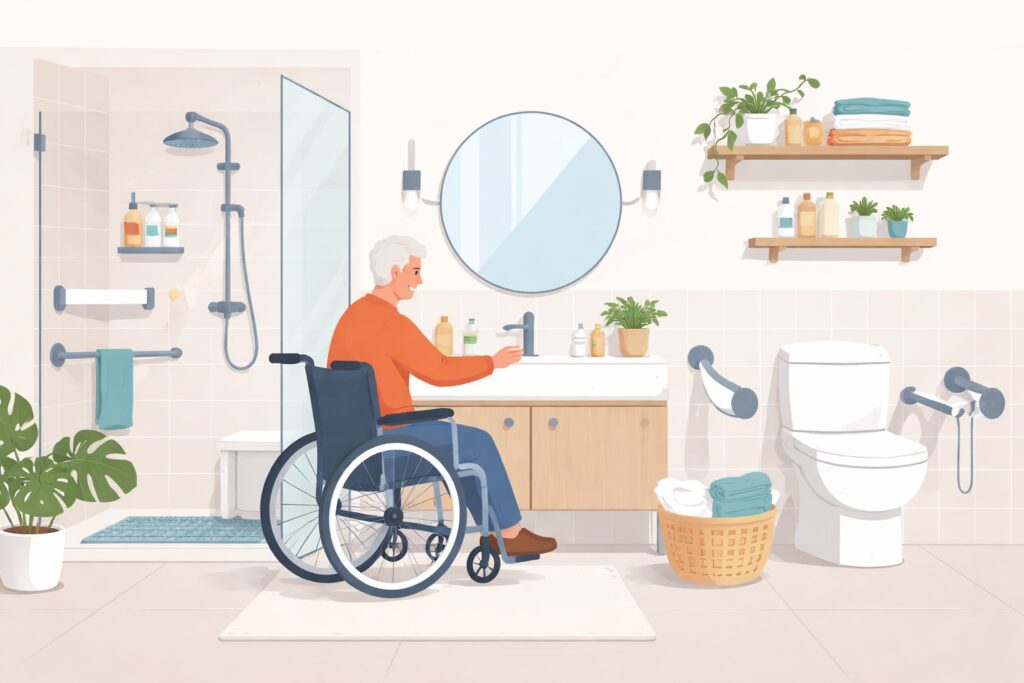
Understanding the Purpose of an Accessible Bathroom
Accessibility in the bathroom is all about creating a space that supports independence and safety for everyone, regardless of age or mobility needs. Whether you are caring for a family member with reduced mobility or planning ahead for your own future needs, a well-designed layout can prevent slips, reduce strain, and provide peace of mind. Designing with accessibility in mind can also add long-term value to your home.
Key Design Considerations for Accessibility
When planning how to design an accessible bathroom at home in the UK, consider the following components that can dramatically improve usability.
1. Level-Access Showers and Wet Rooms
A level-access shower or wet room allows wheelchair users or those with reduced mobility to enter the shower area without barriers. Installing a seamless base not only reduces trip hazards but enhances the visual flow of the room.
2. Practical Layout and Easy Navigation
An accessible bathroom should provide enough clearance for wheelchairs or walking aids. The toilet, basin, and shower should be positioned to allow comfortable access without obstructions. Whenever possible, ensure doors open outward to maximise internal space. Proper planning ensures every element feels natural and convenient, even for small bathrooms.
3. Safety Features and Support Rails
Grab bars near the toilet, shower, and bath area are essential for maintaining balance and support. Non-slip flooring materials are another critical feature that helps reduce the chance of accidents, particularly in wet areas. Textured vinyl floors are an excellent choice because they are durable and easy to clean.
4. Accessible Fixtures and Fittings
Fixtures such as wall-mounted basins, comfort-height toilets, and lever-operated taps make daily routines easier for users with limited strength or mobility. Accessible bathtubs with side doors and fold-down seats can also increase independence for those who prefer bathing over showering. If you’re exploring mobility-focused upgrades, have a look at our dedicated mobility bathrooms page for practical design ideas and tailored installation options.
5. Lighting and Comfort
A well-lit space enhances visibility and safety. Layered lighting, combining ambient, task, and accent lighting, helps eliminate shadows and ensures the space feels bright and inviting. Consider motion sensor lights for added convenience, especially during nighttime use. Comfort can also be improved with features like underfloor heating or thermostatic shower controls that maintain safe, consistent water temperatures.
Choosing the Right Style and Finish
Accessibility doesn’t mean compromising on aesthetics. With a wide selection of modern fixtures and finishes, your accessible bathroom can easily reflect your personal taste. Visiting an inspiring space like the bathroom showroom by Enviroplumb Ltd can help you visualise design options and choose the right materials that balance safety with contemporary elegance.
Professional Installation You Can Trust
Even with the best design ideas, professional installation ensures that every safety feature, fitting, and measurement meets proper standards. The specialist team at Enviroplumb Ltd handle each aspect of installation, from planning and plumbing to finishing touches, ensuring your bathroom is built to provide long-term comfort and reliability. Expert installers understand the specific building regulations and accessibility requirements in the UK, giving you peace of mind that every detail is right.
Conclusion
Knowing how to design an accessible bathroom at home in the UK starts with understanding your unique needs and balancing safety, comfort, and design. From level-access showers to mobility-friendly fixtures, thoughtful choices can transform daily routines into a safer, more enjoyable experience for every member of the household.
Ready to create a safer and more comfortable space? Speak to our team about your bathroom today and discover how we can bring your accessible bathroom vision to life.